Inlays and onlays
Conservative indirect restorations for teeth that need more than a filling but not a full crown.
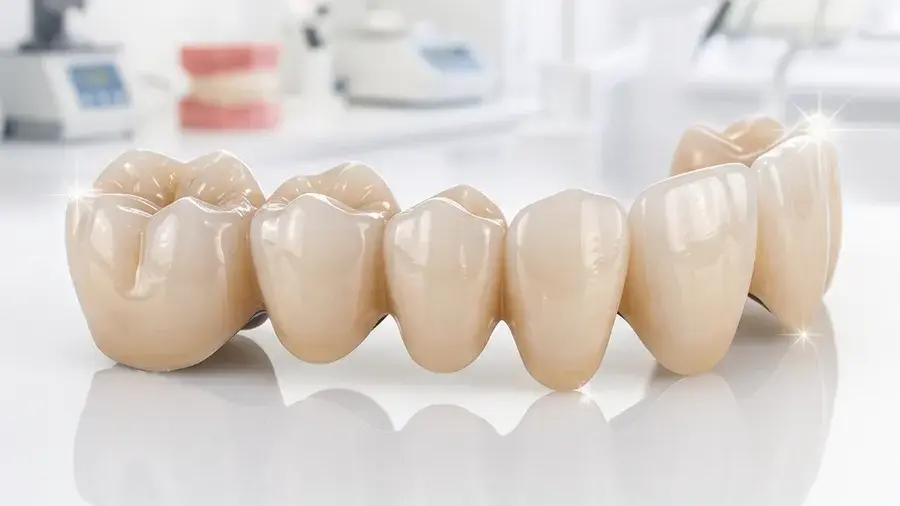
What it is
An inlay sits within the cusps of a tooth, and an onlay covers one or more cusps. Both are made in the lab from a scan or impression and then bonded or cemented in place, keeping more healthy tooth structure than a full crown.
When to choose it
- Large cavities or failing fillings where a direct filling would be weak
- Cracked or weakened cusps that need covering
- Patients who want to keep as much natural tooth as possible
Materials
We make inlays and onlays in ceramic, such as e.max, and in gold. Ceramic gives a tooth-coloured result, while gold is extremely durable and gentle on the opposing teeth.
What to send us
- A scan or impression with clear margins
- The opposing arch and bite
- The material and shade on the RX form
Frequently asked questions
What is the difference between an inlay and an onlay?
An inlay fits within the cusps of the tooth, while an onlay extends over one or more cusps to protect them.
Is an onlay better than a crown?
An onlay keeps more natural tooth structure. A crown may be needed when more of the tooth is damaged. The dentist decides which suits the tooth.